Mission Status
Success
My 30-day personal analog mission has completed!
Read the mission debrief
The Situation
Work the problem. Keep exploring.
We all had big plans for 2020. Then COVID-19 hit and everything stopped. We needed to adjust, rethink, and "work the problem". We quarantined and put on masks.
I decided to put on a space helmet and challenge myself to go on a journey of exploration, even if it meant staying in one place.
What will we learn? What can we discover? Can imagination help us emerge stronger, more resilient, and ready to create a brighter future?
The Crew
Orestis Hero.
ISTIO-Dome Analog Astronaut
My first encounter with the red planet was taking a photo of a crater using the THEMIS instrument aboard the Mars Odyssey Orbiter. Now, I help image the entire Earth’s surface every day. I like to write software, go sailing, make art, explore the back-country, and nerd out on space, maps, science, tech, and the environment. And yeah, I love geodesic domes!
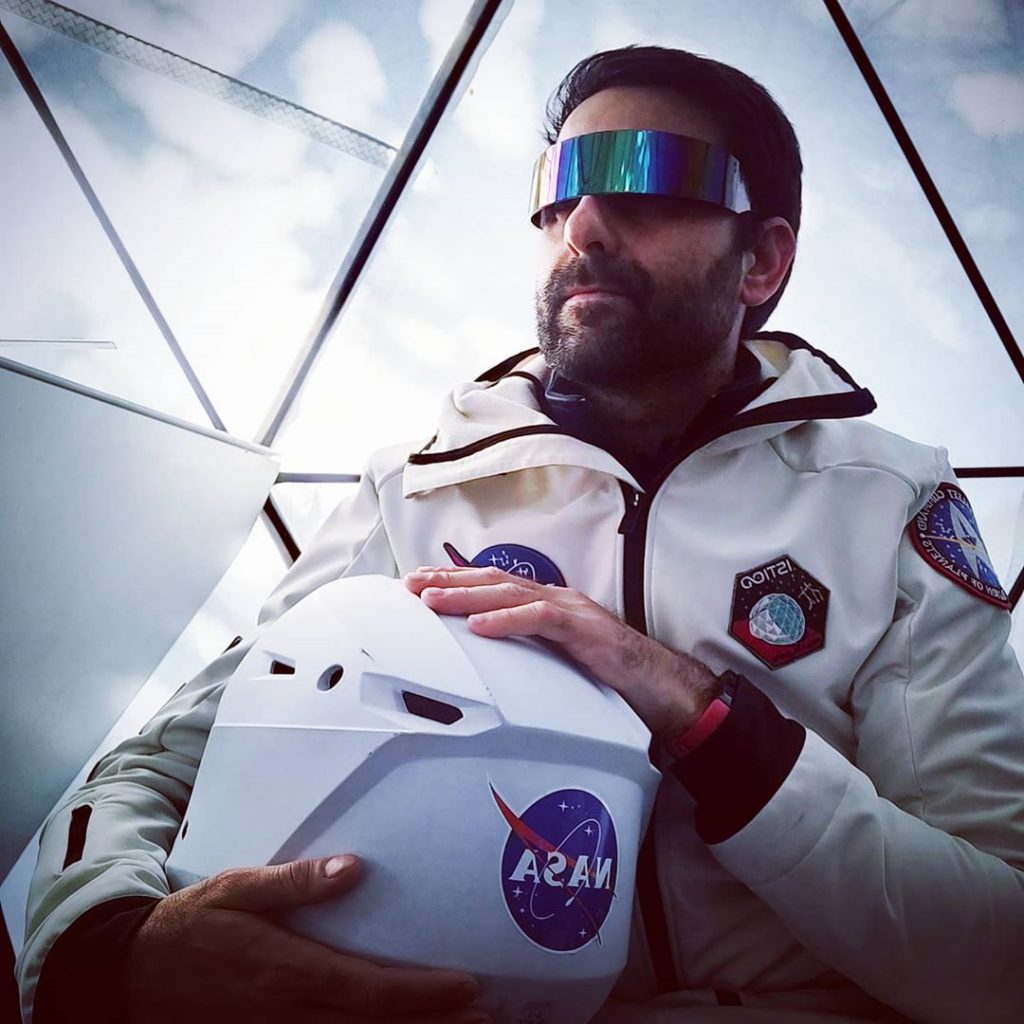
Orestis
Shelter in Dome Mission Commander
The Hab
Up-cycled geodesic dome
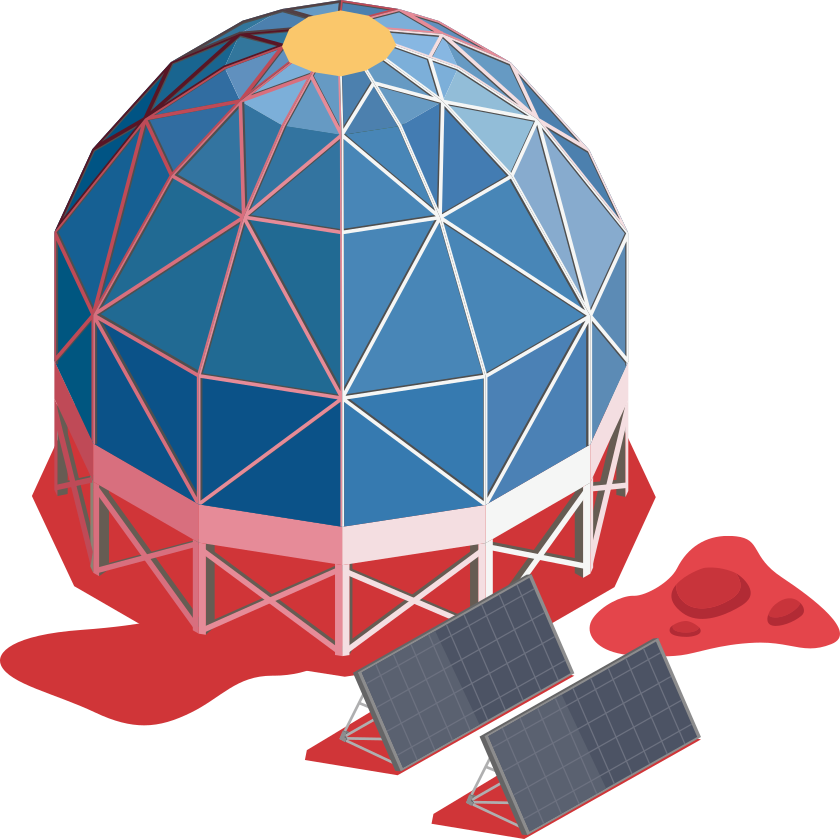
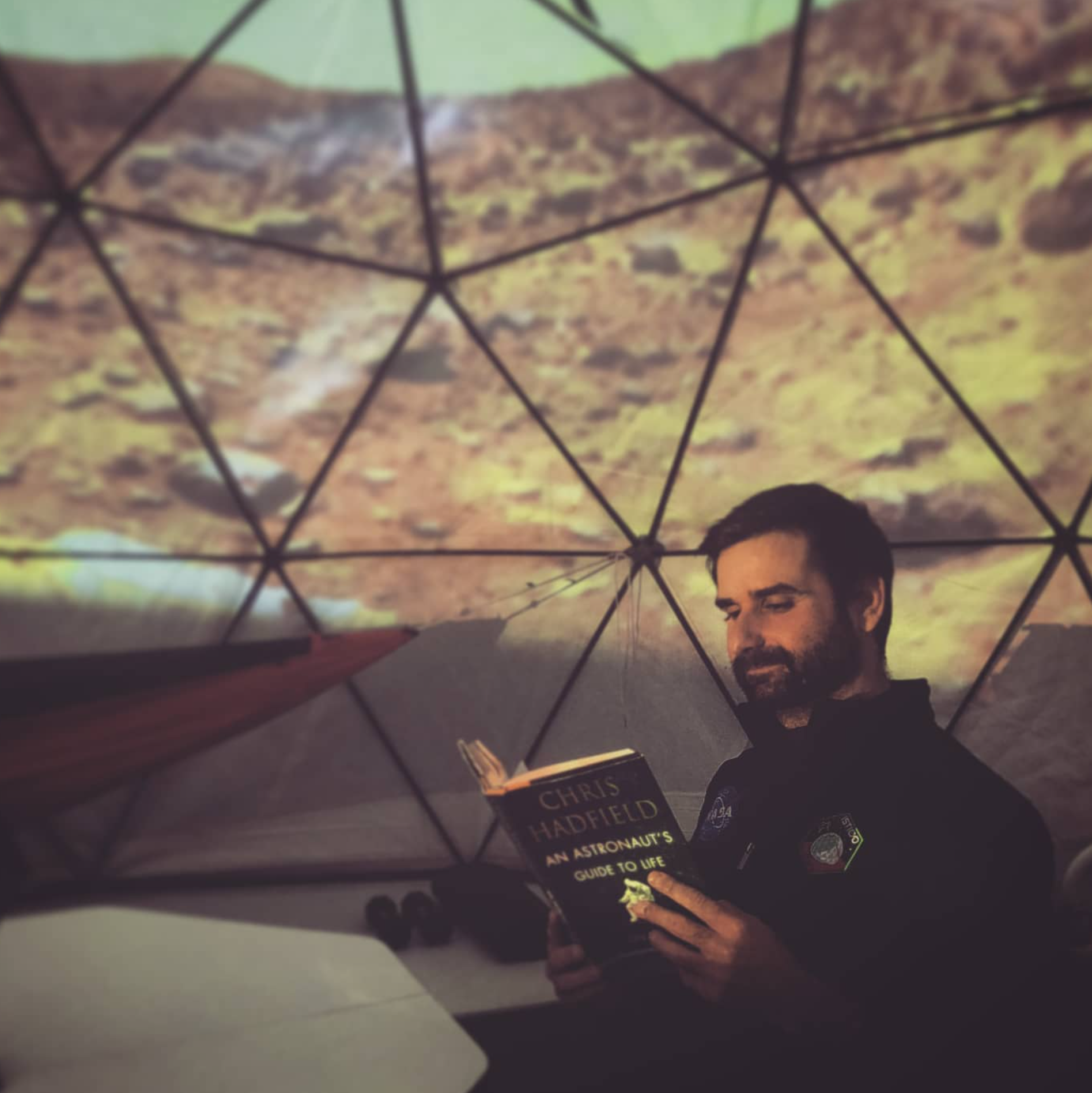
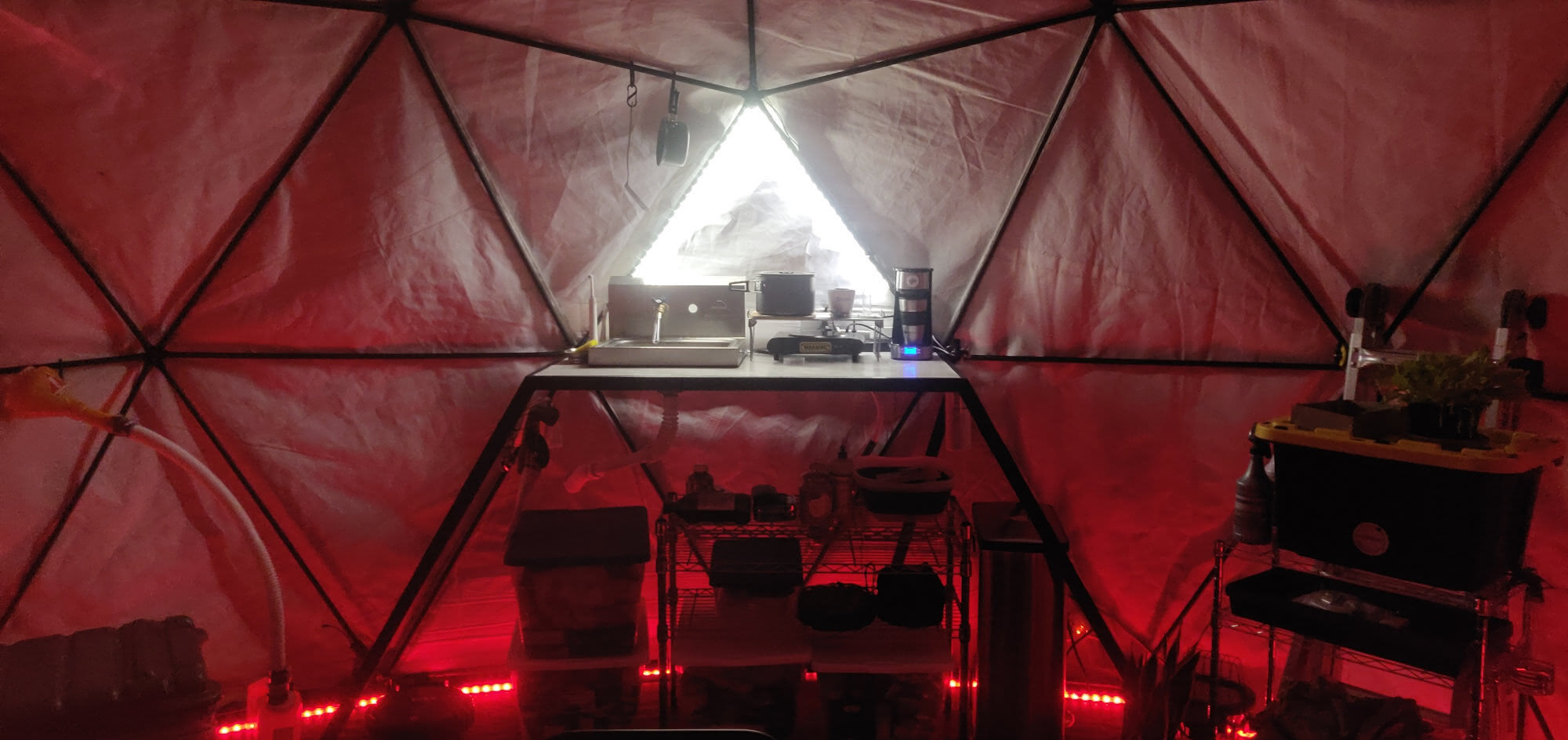
The mission habitation module, the ISTIO-Dome, is a 6 meter diameter geodesic dome structure whose outer layer is constructed from up-cycled sail boat sails. “Istio” means sail in Greek.
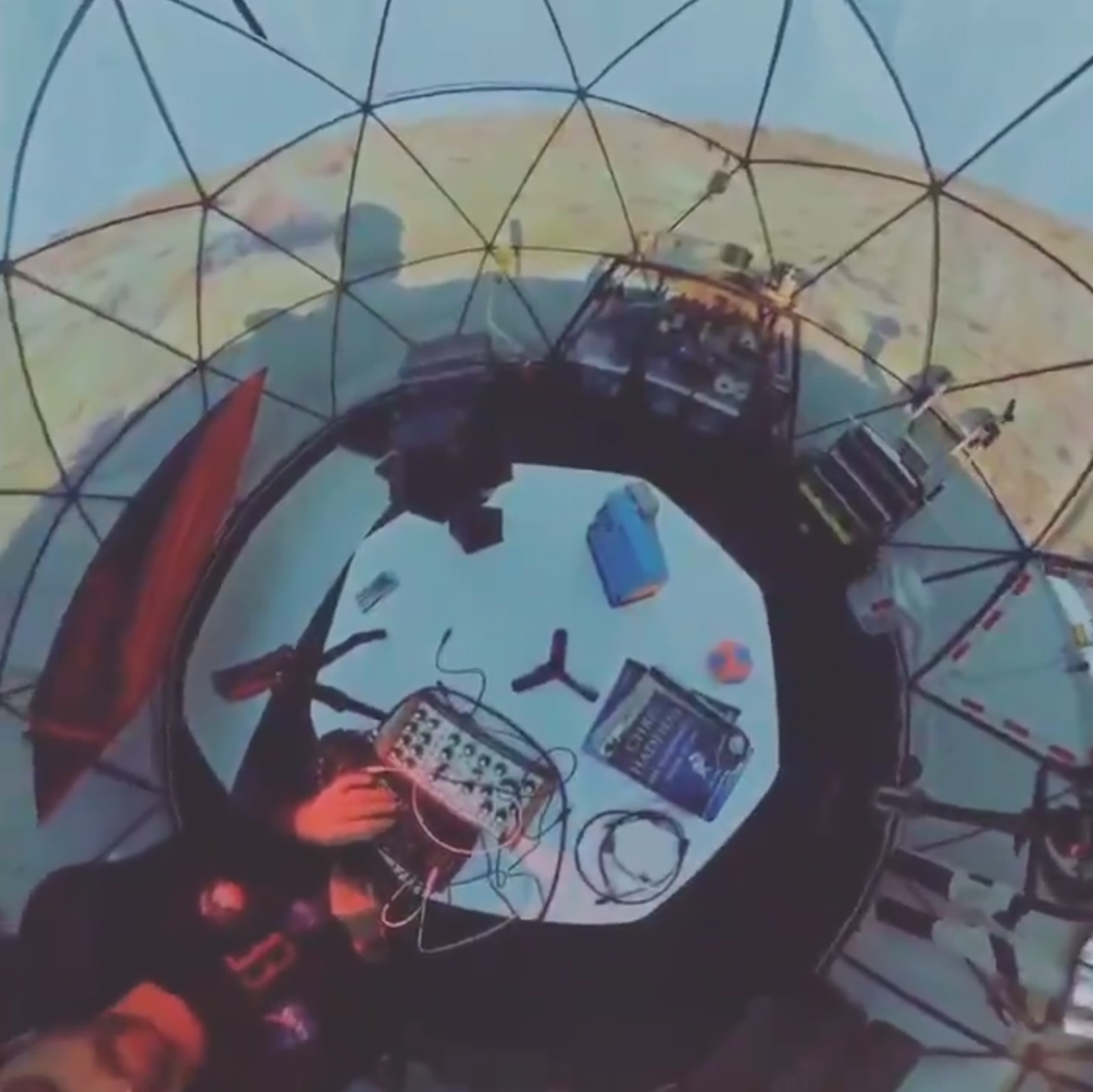
The hab includes a galley stocked with rations, research and communications stations, a fitness station, a digital fulldome planetarium, a hydroponic botanical station, a low-gravity sleeping bunk, equipment stowage, and recreational areas.
Interactive Hab
Explore the Istio-Dome
Drag the 360° panorama to look around the hab.
Hotspots identify key
mission stations from the analog habitat.
Follow the Mission
Signals from the hab.
Follow mission progress and comms on our instagram page
Live from Hella Planitia
Mission video archive.
View video streams and interactive 360° recordings from the mission.
Mission Debrief
What we brought back from Hella Planitia.
The Shelter in Dome mission turned a moment of global stillness into a focused experiment in resilience, creativity, and systems thinking. I successfully completed 30 days of isolation in the dome, but in practice, the mission did the opposite of what isolation usually implies: it connected me to new people, new communities, and new opportunities.
The mission began with lots of preparation and planning. I had to imagine and design all the parts that I'd need to stay comforable, safe, and productive. This was an intensive period of work leading up to the mission launch deadline (about 3 weeks out from when I started) but it was incredibly fun and fulfilling as each day the excitement grew. It also kept me focused on the goals I set out to achieve.
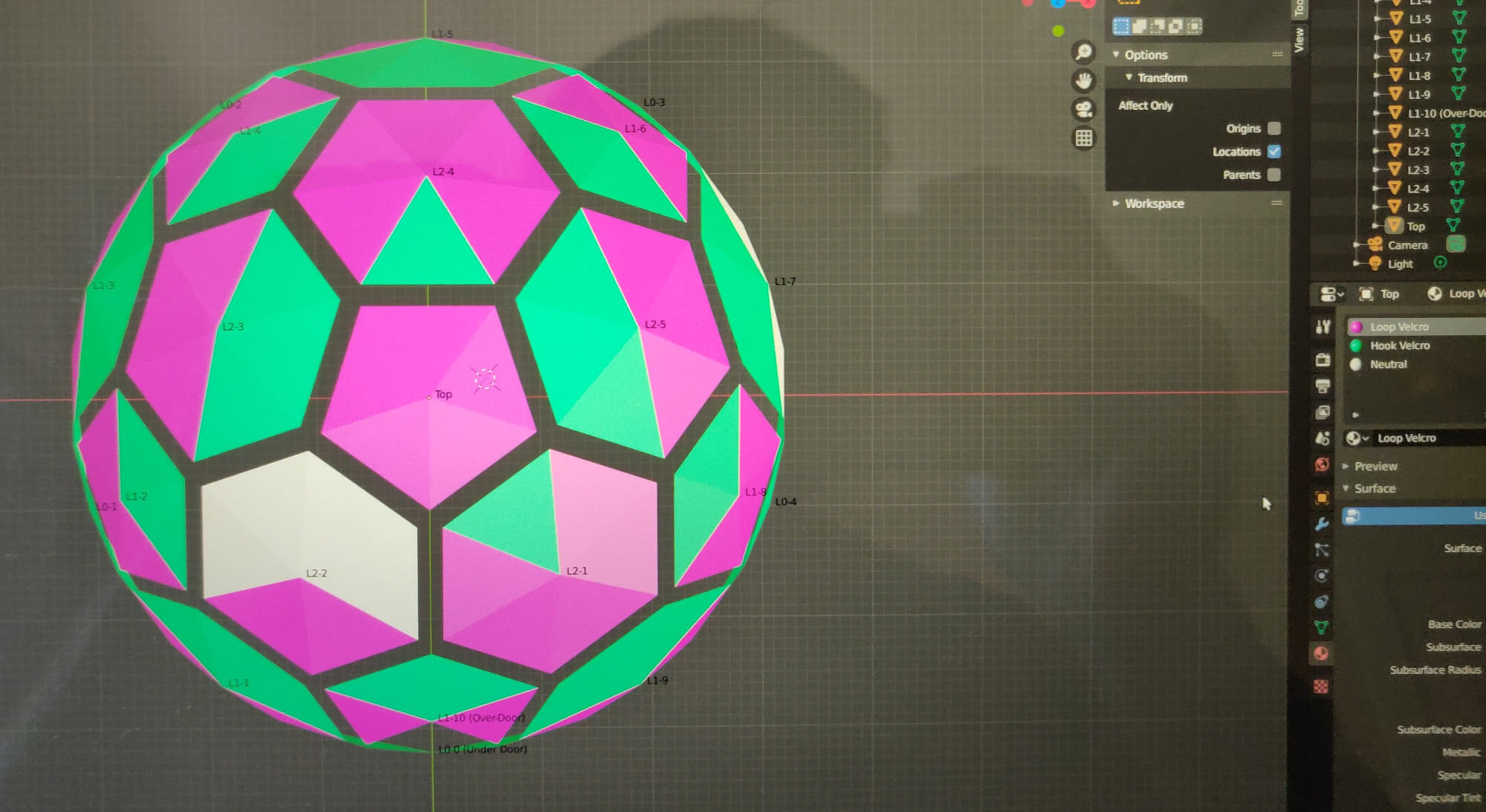
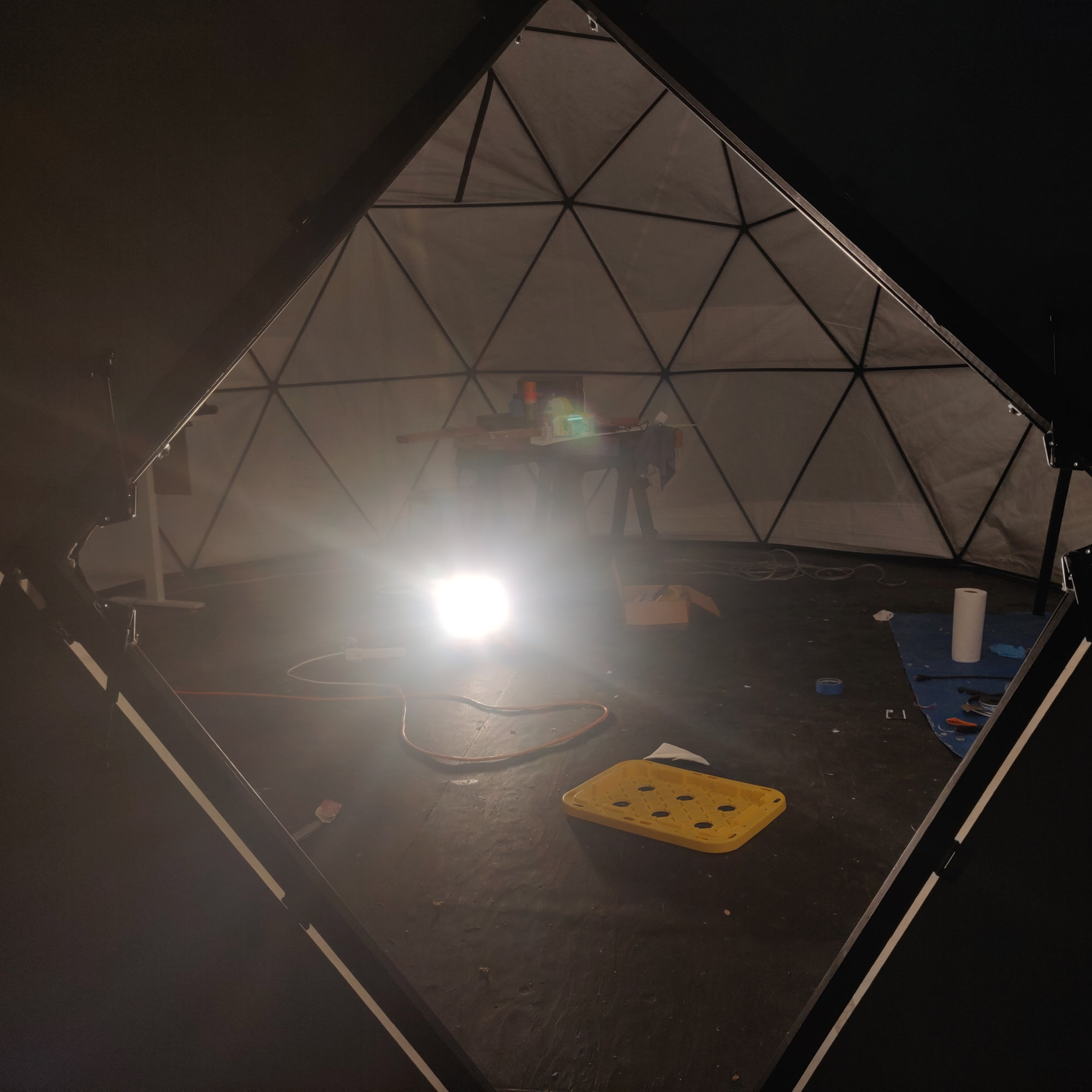
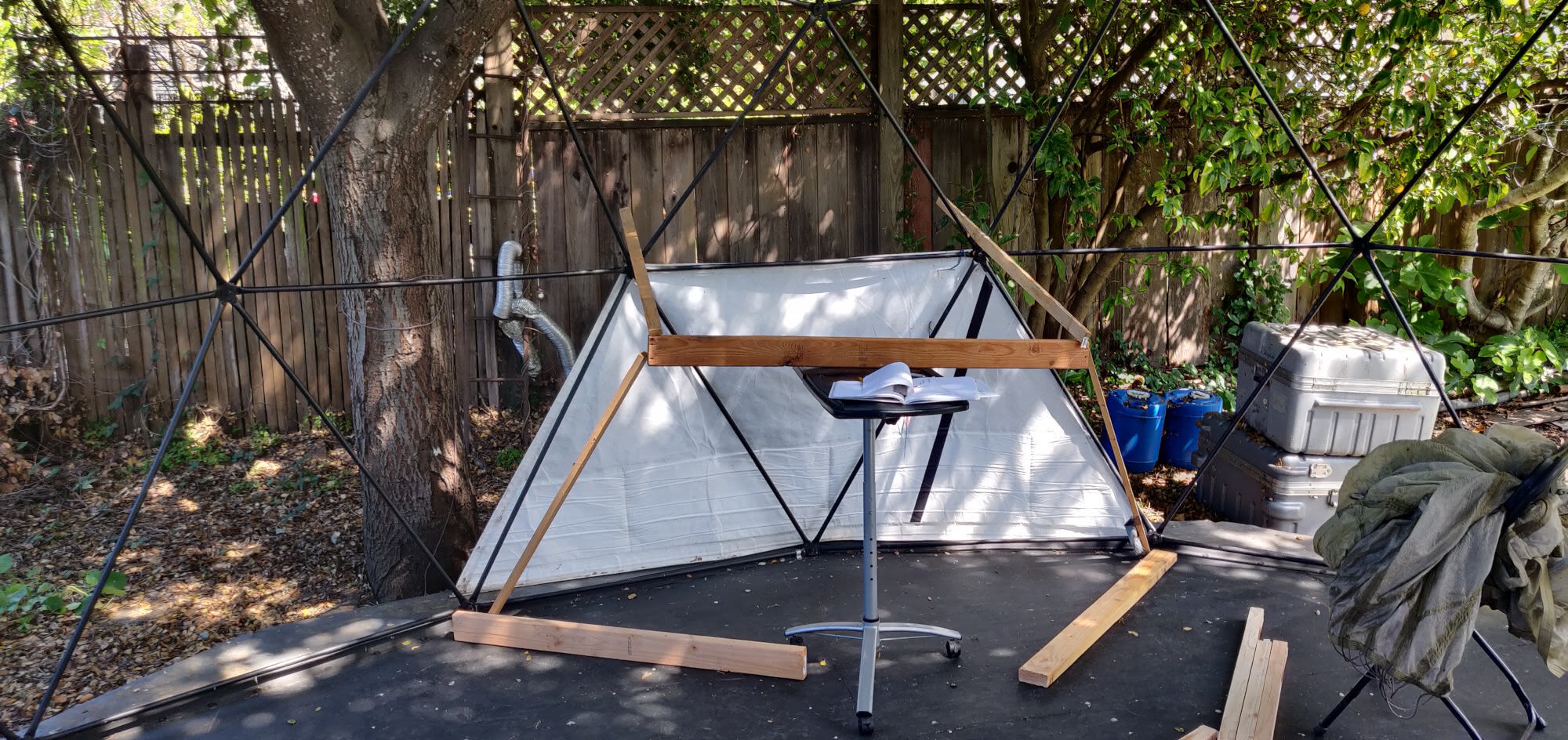
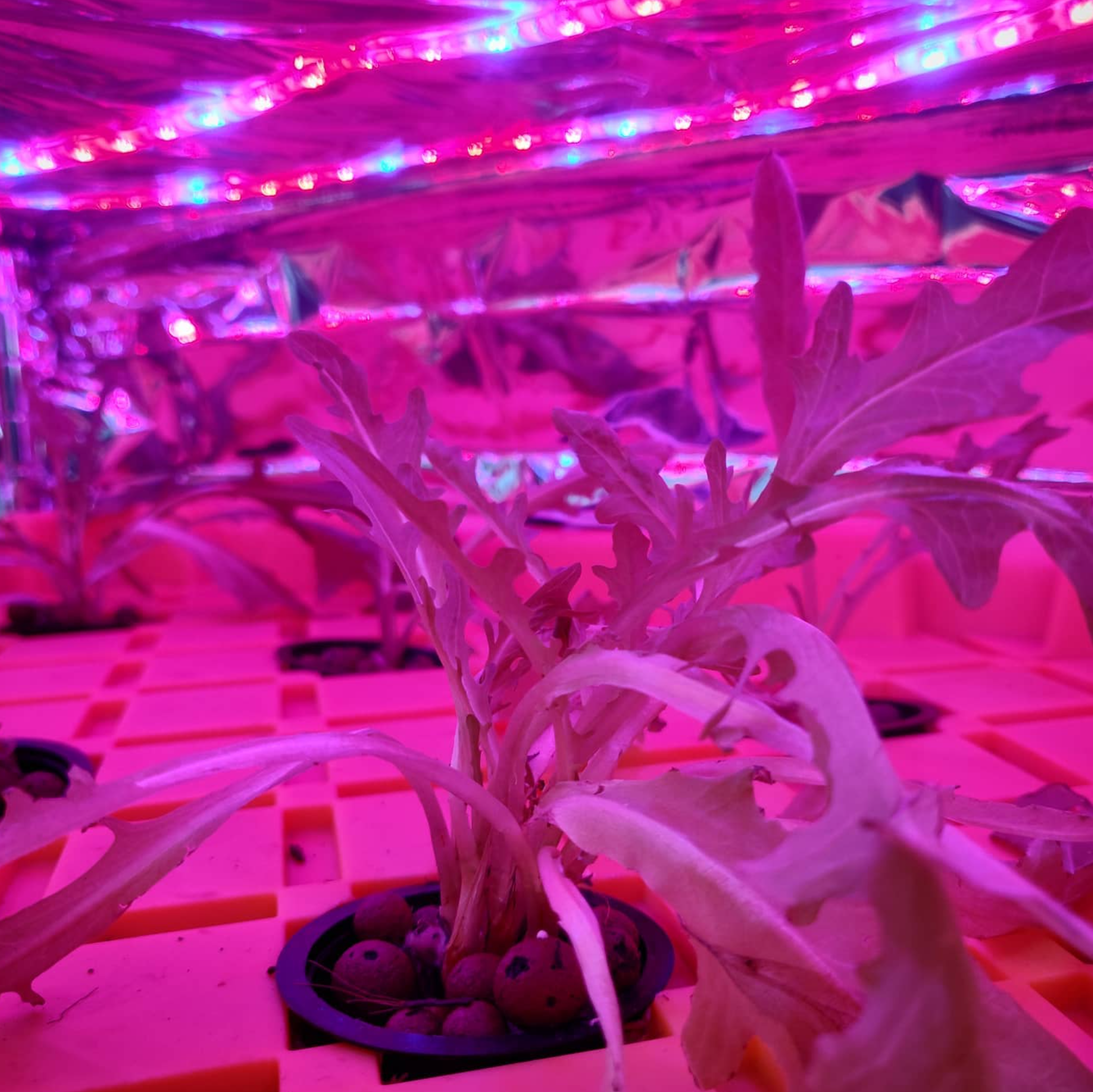
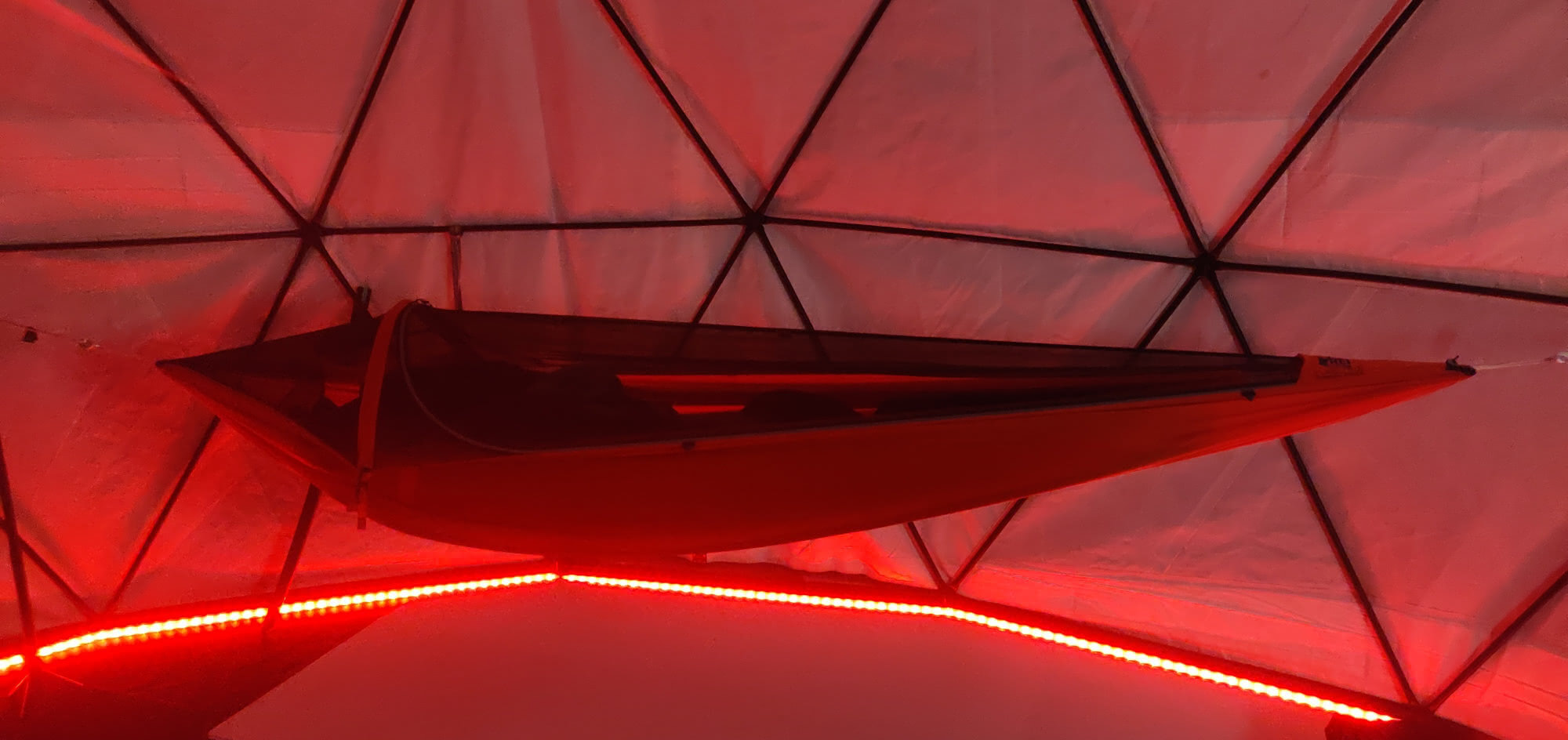
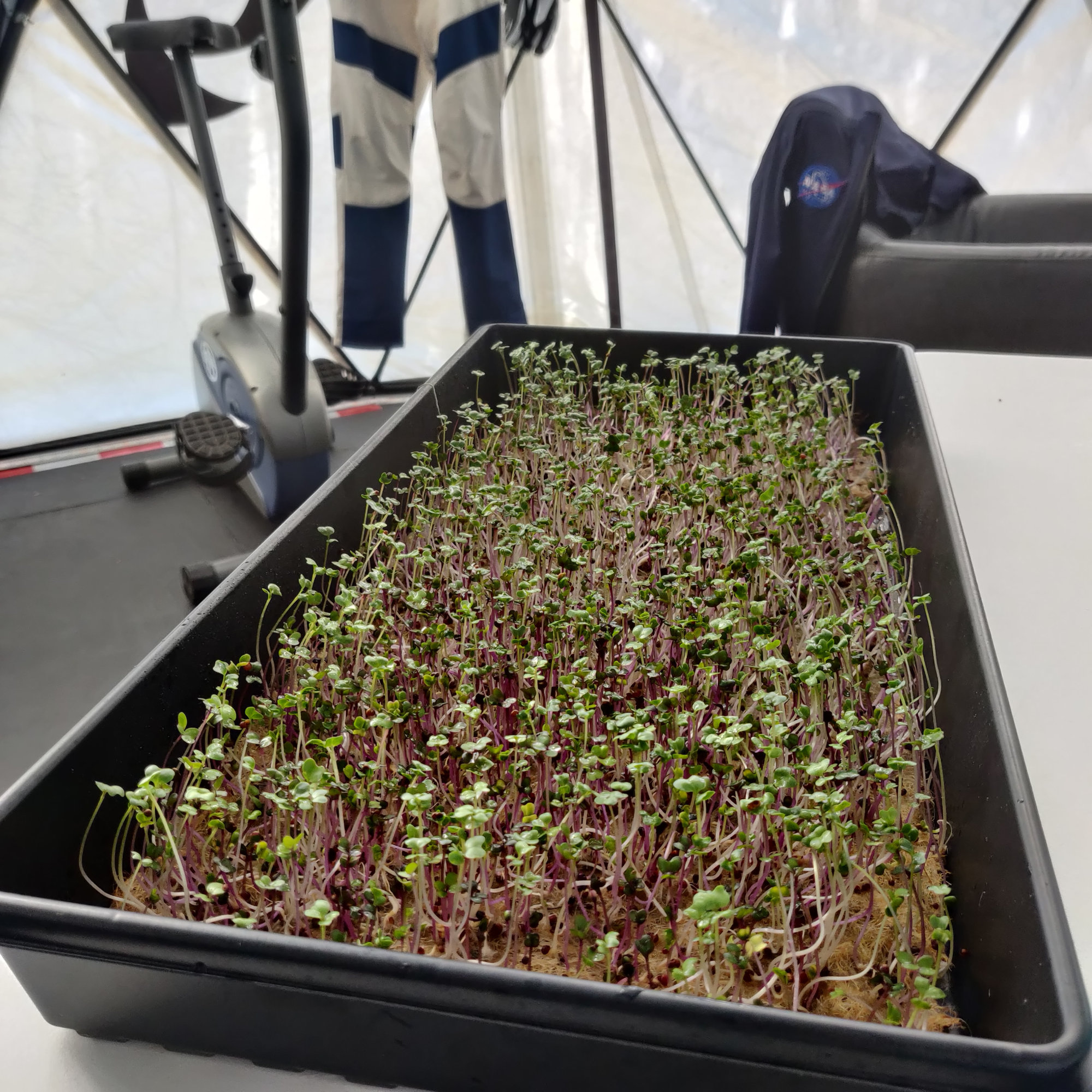
I designed the hab with a variety of stations that would organize and partition the space for different types of activities. For sleep, I used a backpacking hammock system. Gently swaying to sleep each night in my hanging pod approximated the strange feeling of sleeping in microgravity in orbit. I built a galley (kitchen) area with filtered water and carefully planned the amount of food and calories I would need to survive for a month. I leaned more heavily on shelf stable foods that would last and tried to add variety so things would not get boring, good food = happy astronauts! I was especially excited about growing some veggies hydroponically to have some fresh nutrients alongside the other staples. I added a dynamic lighting system of smart LED strip lights and bulbs that would help regulate day and night cycles, and created a projection system using a spherical mirror that could convert the whole dome into a digital planetarium, where I could project anything onto the walls. This helped change the scenery, kind of like a mini holodeck.
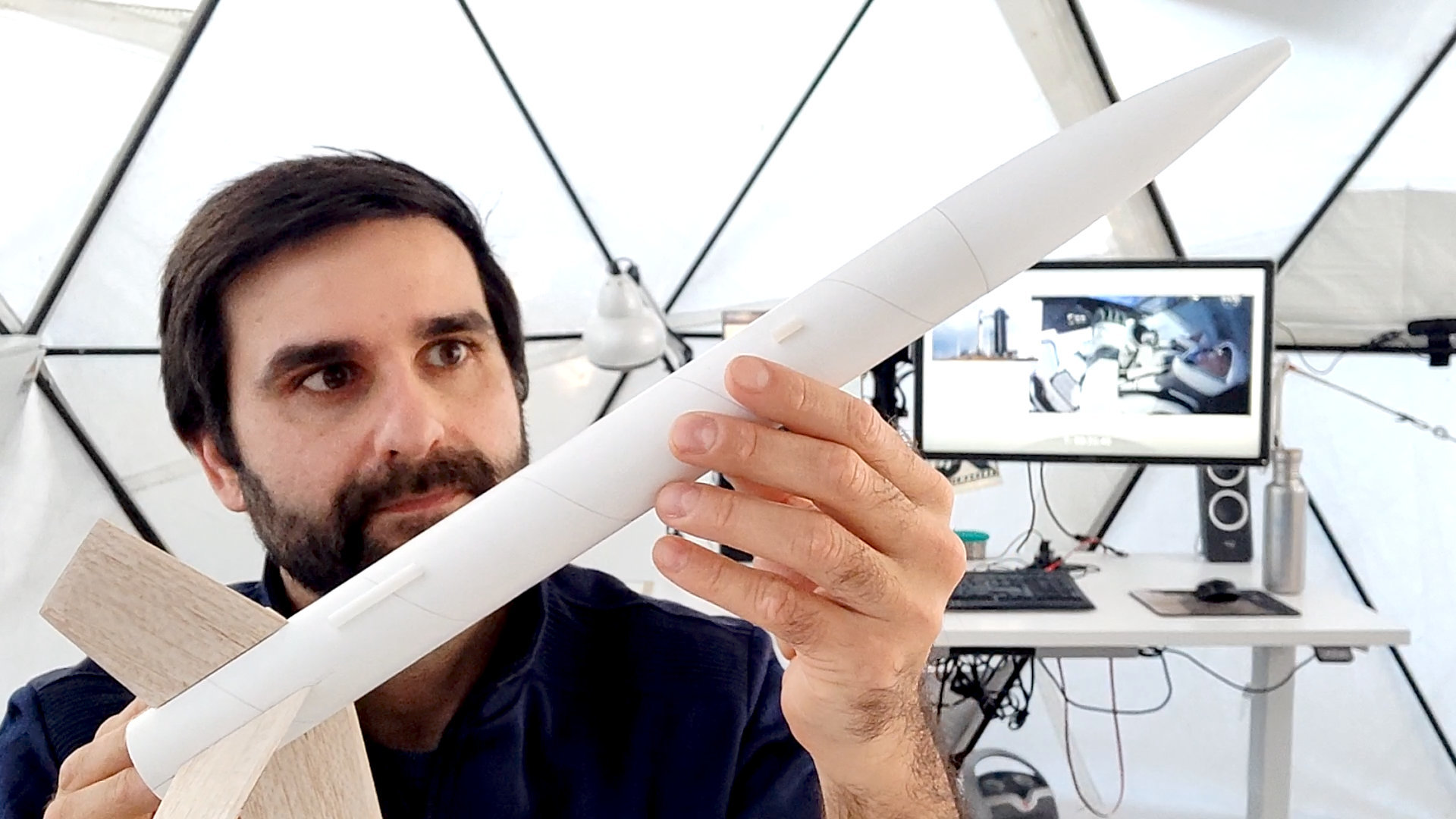
Inside the dome I learned to grow my own food, improve my daily structure, and implemented an exercise regimen that helped me reach personal fitness goals and treat physical health as part of mission success. I used exercise weights and stationary training bike and closely tracked my diet, weight and vitals with a smart watch and health apps. I would dedicate time to do communications and post updates on the mission online, and during downtime I read books and articles, built a model rocket, and I even learned to play a new instrument, the modular synthesizer.
The first half of the mission flew by! It felt pretty cool to be living in a dome that was decked out to look like a spaceship / martian habitat, and the process of getting my routine and systems running left me with a packed schedule. From the beginning, sharing my experience online generated a lot of interested. It was really fun explaining the mission and the concept of an analog to people, they all had so many questions... and yes I did built a "space toilet" in the dome! There was one incident that threatened the mission early on. A storm, uncharacteristic weather for the season, saturated some of the seals on the dome's panels causing leaks in the hab. I moved quickly to secure all electrical systems and cover critical areas, and reinforced the seals with the extra building materials that I had packed.
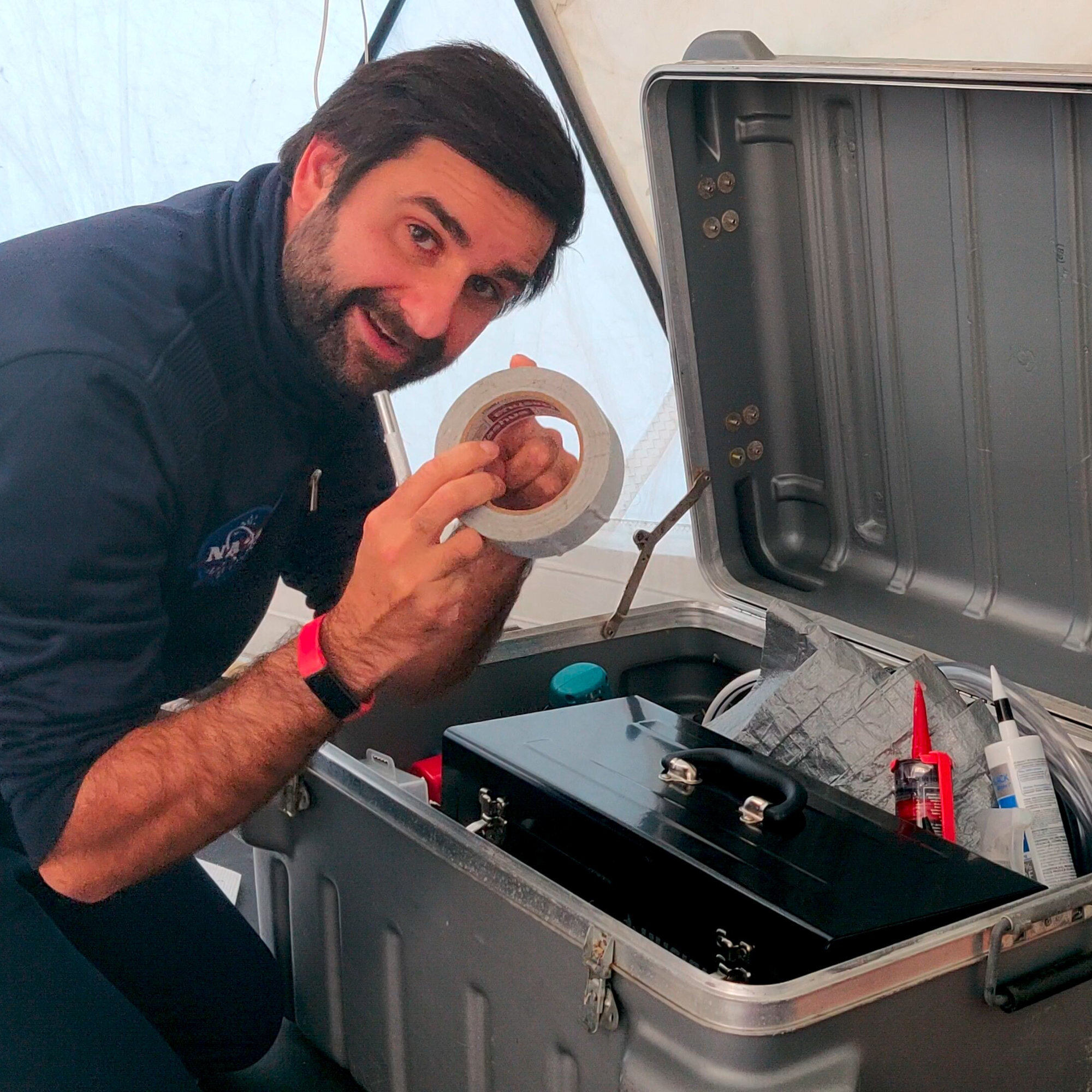
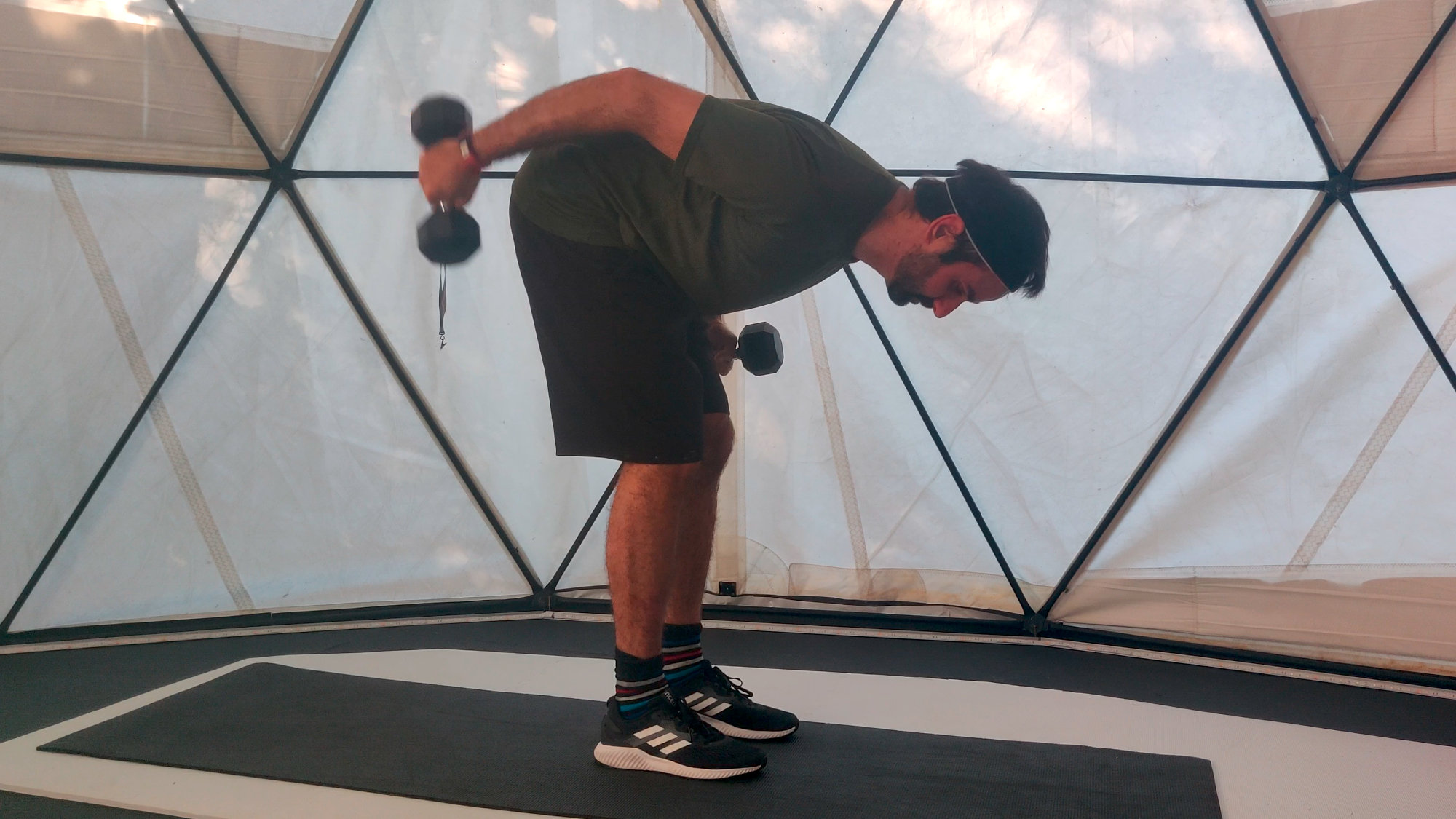
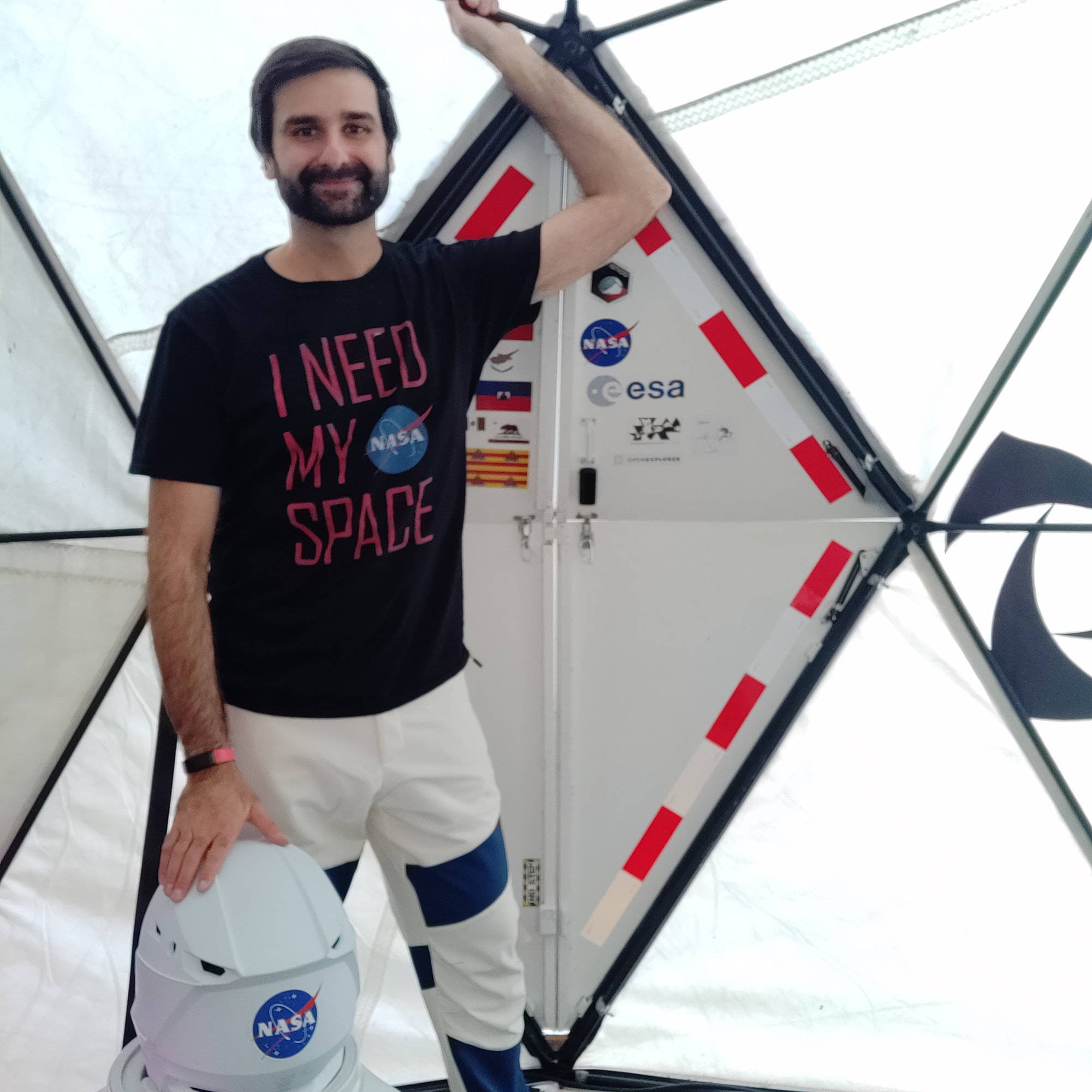
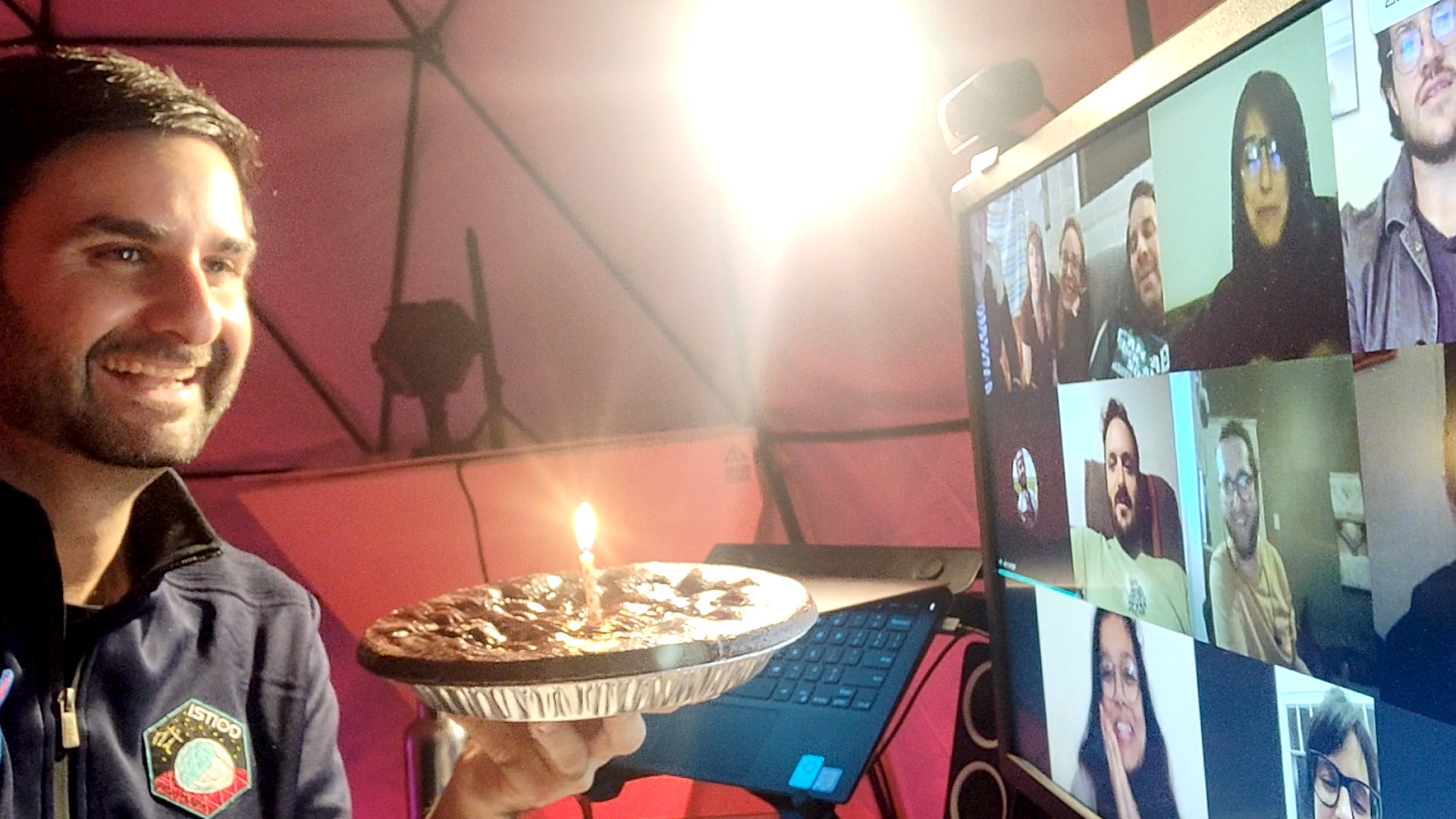
Once I passed the halfway mark there was definitely a period of time that felt a lot slower and more challenging. Being stuck inside the relatively small space of the hab routine had set in, and I could feel that I was looking forward to finishing the mission at some point. But a lot of anxieties about whether or not I planned correctly or had brought enough food had subsided and I felt confident that I would last. I had a big moral boost while celebrating my birthday with friends over a video call and enjoying my one resupply item, a cake sent by my sister! By the end, the journey had been worth the effort. I felt rejuvenated, excited, and a sense of accomplishment. While the world had warped so much during the pandemic, I set out on my own terms to do an analog mission, and I had survived! On my last night, I celebrated with a solo dance party.
Space Snacks Interview
Interview with astronaut and artist Sian Proctor
Watch my interview with Inspiration 4 astronaut Dr Sian Proctor during the mission where we discuss the unique challenges and opportunities of analog missions!
Suprisingly, my isolation mission actually opened me up to a much larger community. Many tuned in from around the world through social media and cheered me on. A couple people even got in touch to get tips on building their own habitats and missions like mine! Florian, a young a student from Germany (now a researcher in applied physics), and Jas Purewal from the UK, who went on to co-found the Analog Astronaut Conference with (then future) Inspiration4 astronaut Sian Proctor. At our annual gatherings at Biosphere2, I have met some of the most facinating and inspiring people in the world: pilot filmmakers delivering education to underserved communities, space botanists creating future proof systems to feed the planet, adventure artists interpreting the wonder of the cosmos, rogue engineers using systems thinking to save lives in disaster zones, planetary thinkers pushing us to reimagine our future communities, and so many more incredible people. What began as a personal project connected me to a broader network of people using space exploration as a framework for creativity, education, science, and transformation. Some of them have even flown to space since then!
A network of explorers
Analog Astronaut Community & Conference
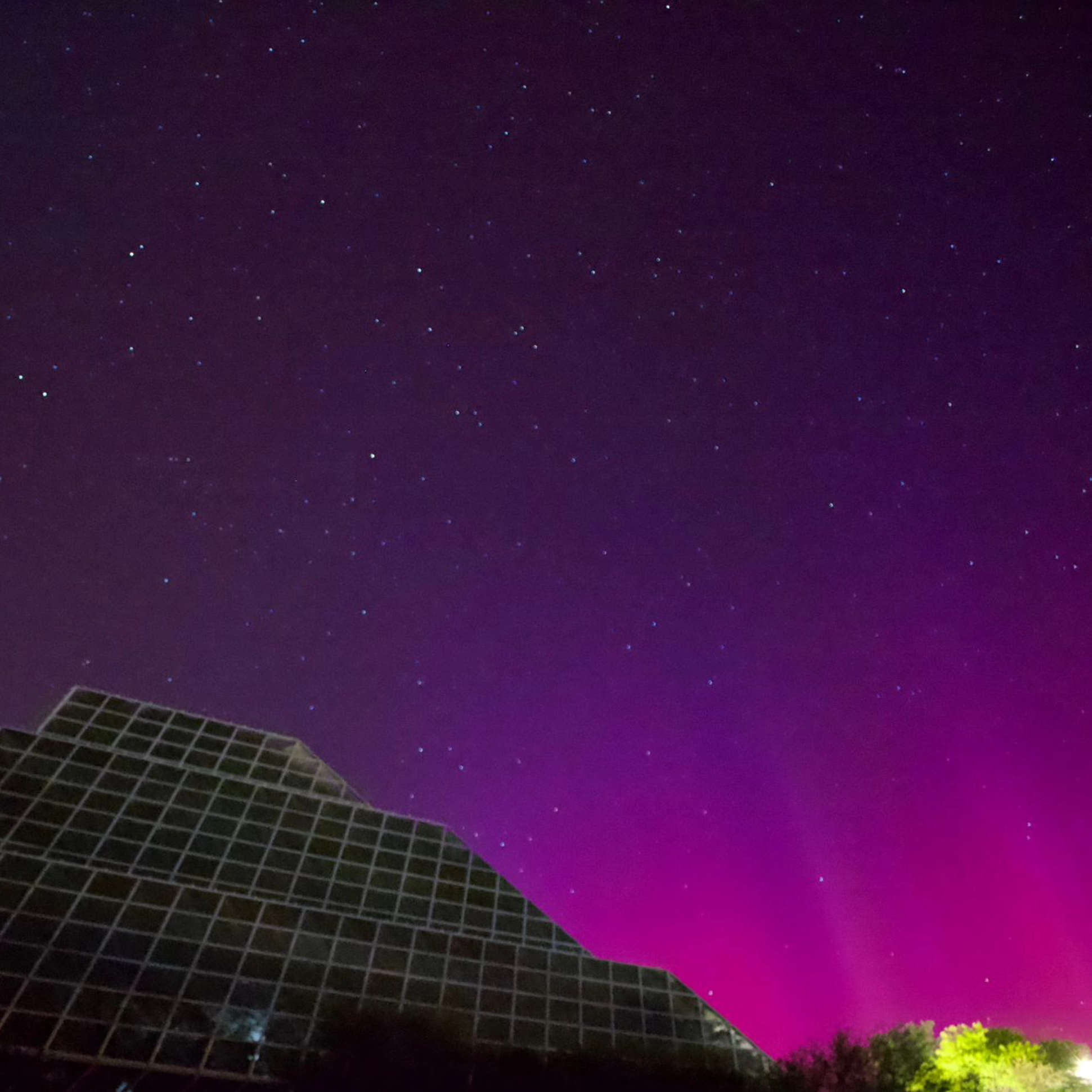
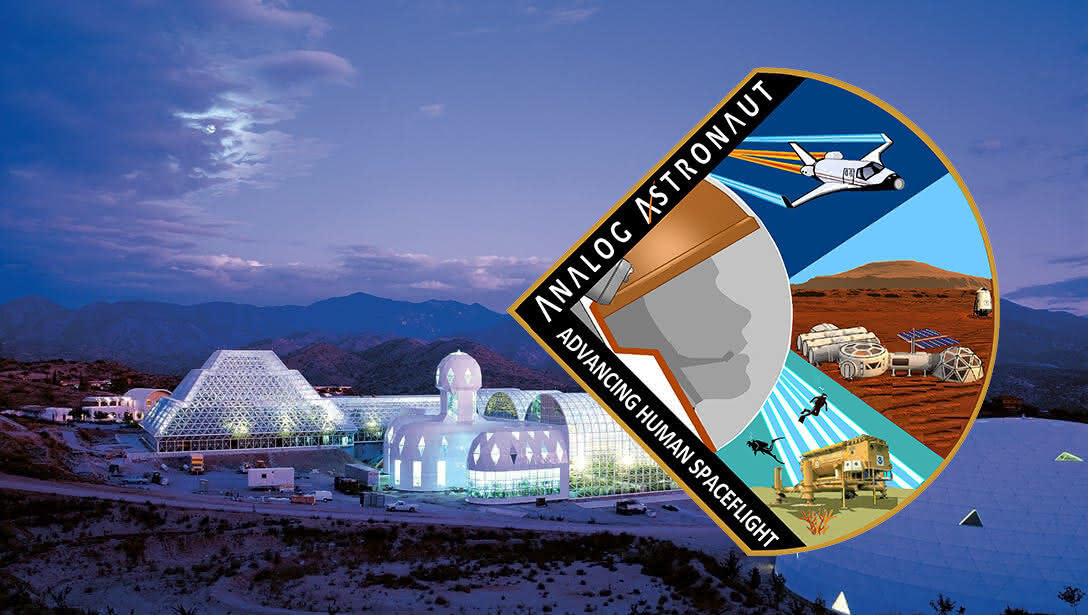
After connecting with fellow analog astronauts during the mission, we created the Analog Astronaut Community and began hosting annual conferences at Biosphere2.
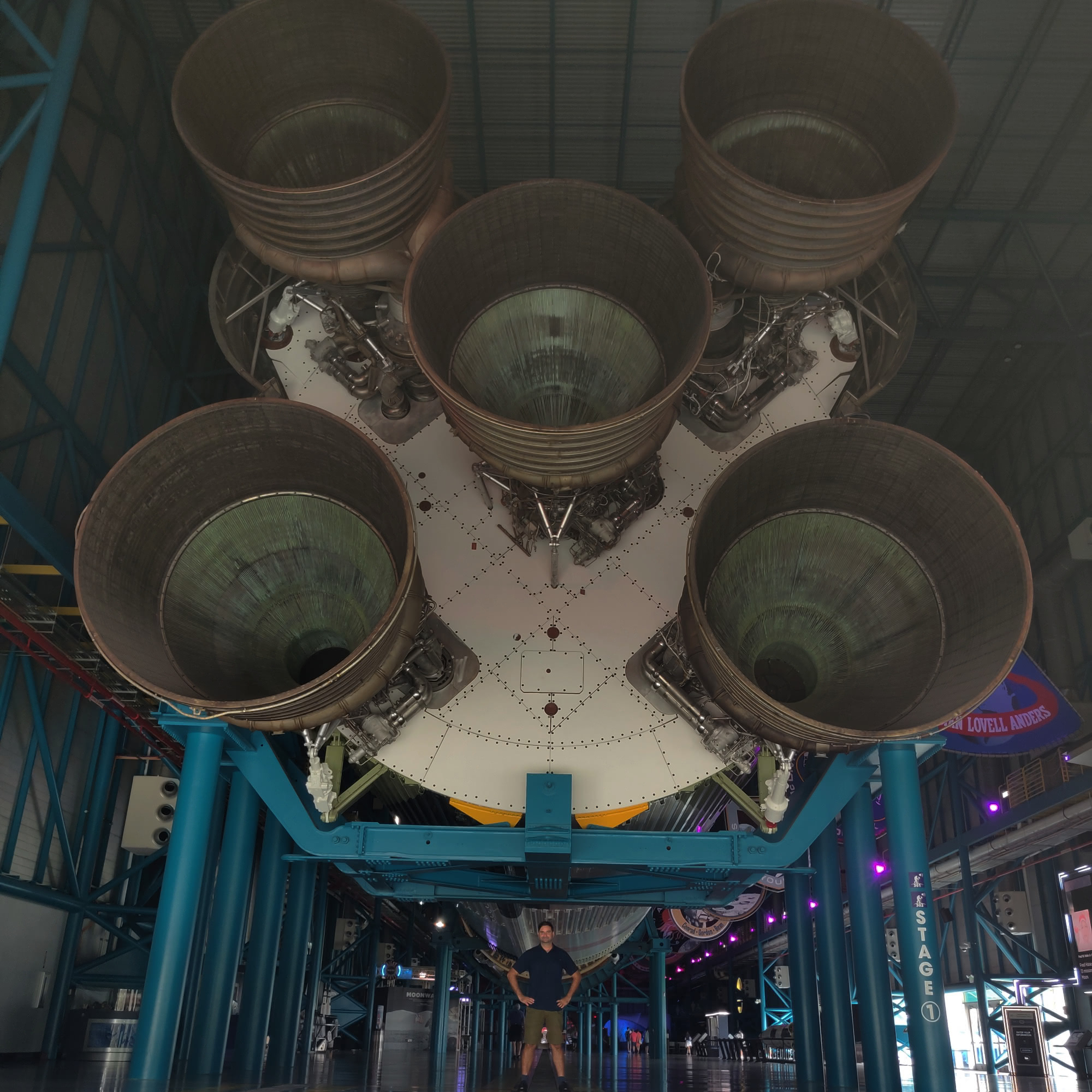
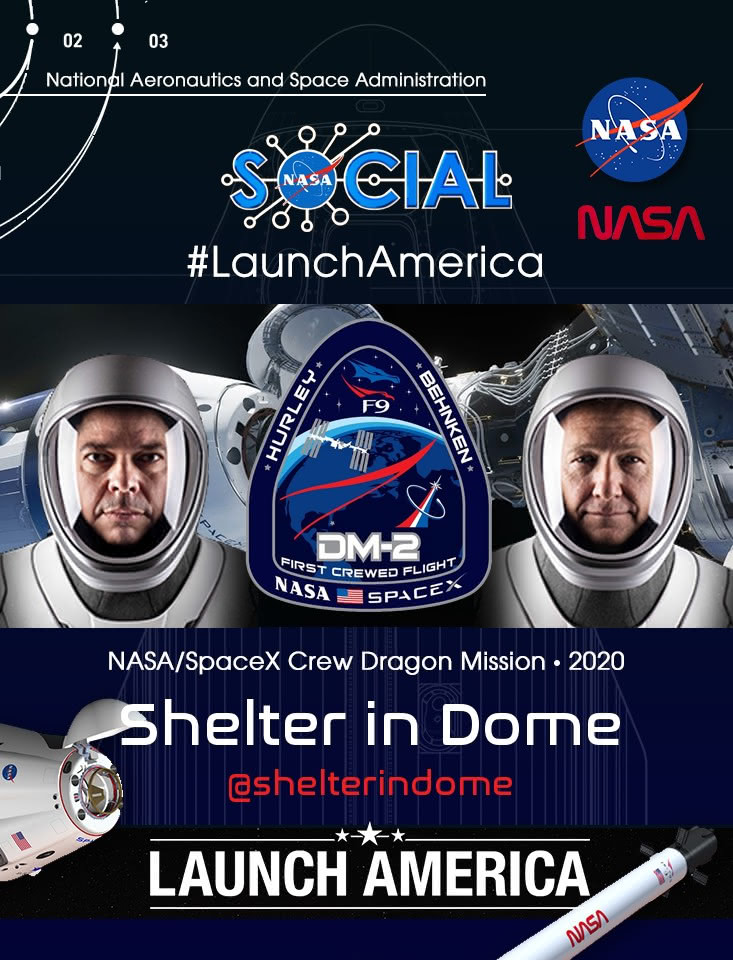
The timing of my mission also overlapped with a historic moment in spaceflight. While in the dome, I witnessed the return of human spaceflight from the US with SpaceX's first manned Crew Dragon mission. A few months later I would stand at Kennedy Space Center watching the launch of Inspiration4, the first all-civilian orbital mission launch aboard the Crew Dragon, which made the idea of space for all feel even more tangible.
The best part of the mission was the opportunity to share what I was learning. I entered the NASA Space Apps Challenge with a concept for a digital version of my mission called Shelter in Space, winning a top award globally. Subsequently, I have hosted local NASA Space Apps events and mentored participants from around the world during the annual hackathons. I saw how space could function as a powerful invitation: a way to bring artists, engineers, educators, designers, scientists, and students into the same conversation.
Shelter in Space
A digital analog mission for isolation on Earth and beyond.
Shelter in Space was created for the NASA Space Apps COVID-19 “Isolation Solution” challenge and received the Best Mission Concept award.
For most 30 days isolation in an analog habitat is enough for a lifetime, but it was only the beginning for me! I joined another mission at LunAres, an analog habitat in Poland started by architects. Each step reinforced the same lesson: simulated missions are not only about imagining life beyond Earth. They are practical tools for building community, developing skills, expanding imagination, and testing how we might live with more purpose both off-world and here on Earth.
Continuing the Journey
LunAres Vulcan Mission
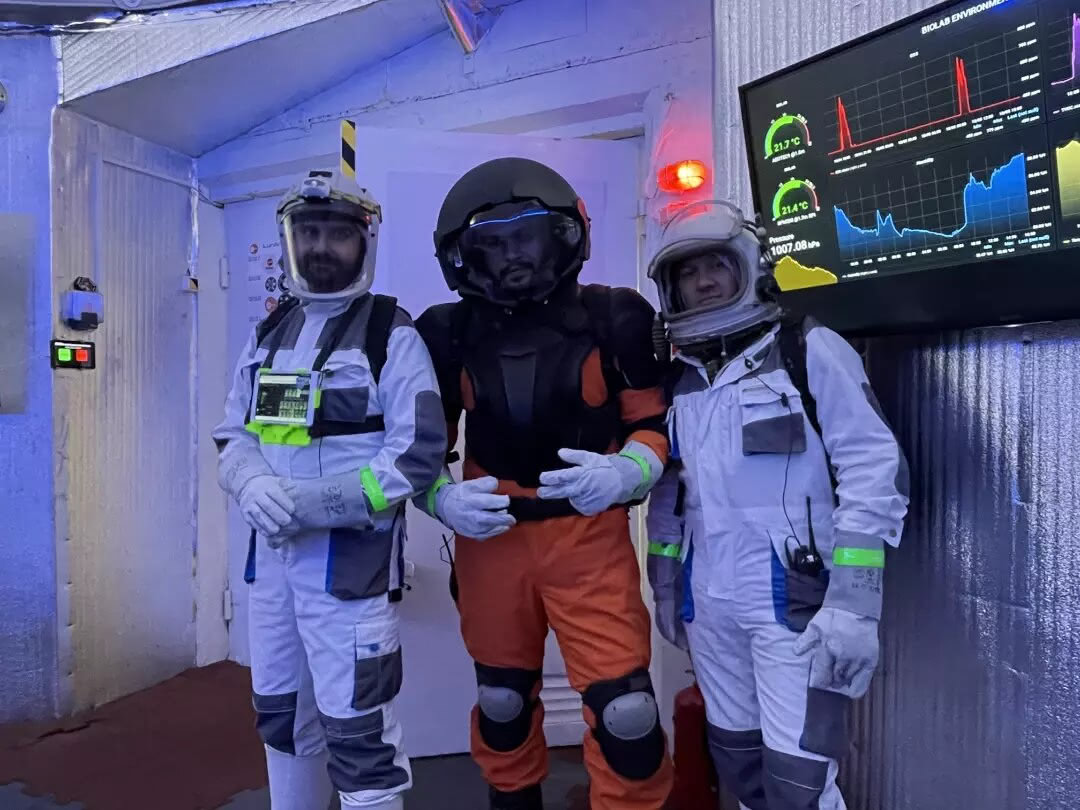
I joined the Vulcan mission at LunAres, a Moon and Mars analog mission habitat in Poland. Our international crew explored 3D printing tools and sensor systems for use during simulated EVAs, and participated in several physical and psychological research studies.
What I took from the mission was not simply that isolation can be endured. Under the right conditions, isolation can become a catalyst. It can clarify values, strengthen discipline, deepen curiosity, and create unexpected connections. My dome became a platform — for education, outreach, collaboration, and a renewed belief that space exploration can help drive excitement, creativity, and progress on Earth!
- Orestis 🖖